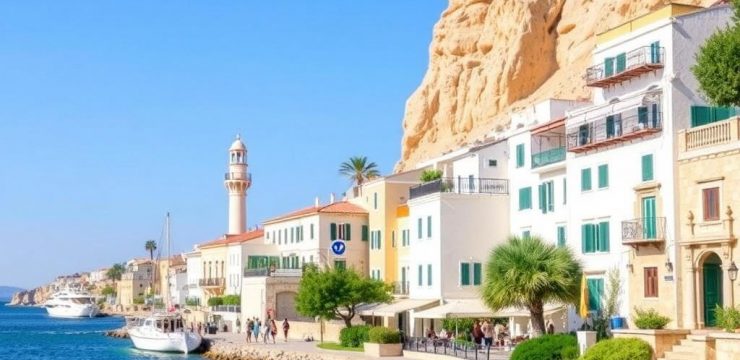
Paphos, a city teeming with history and culture, has long been a magnet for those seeking a unique blend of coastal charm and archaeological richness. The region is renowned not only for its scenic beauty but also for its wealth of historical landmarks, many of which have garnered UNESCO World Heritage status. The proximity to such heritage sites significantly influences the dynamics of the local real estate market, including property for sale in Paphos. Investors and buyers alike are increasingly drawn to areas where ancient history and modern living converge, raising complex questions about how archaeological sites affect property values across the city.
This article explores in detail the multifaceted relationship between Paphos’s archaeological assets and its property market. Considering the cultural value, development limitations, tourism impact, and government regulations, we dive deeply into how these various factors shape property prices and investment appeal in Cyprus’s southwestern jewel.
The Unique Heritage of Paphos and Its Influence on Real Estate
The city of Paphos stands out for its archaeological sites property Cyprus-wide, many of which are part of the UNESCO World Heritage list. These sites include ancient mosaics, Roman villas, Byzantine churches, and remnants of Greek mythology etched into the fabric of the city. Paphos’s heritage property Cyprus classification reflects a careful preservation of this past, which inevitably has direct implications for the surrounding real estate market.
Archaeological zones typically draw a limited type of development to protect the cultural fabric. This conservation effort restricts modern construction options, impacting zoning regulations and architectural guidelines. These limitations can lead to a reduced quantity of available properties, pushing prices higher due to scarcity. Plus, the aesthetic appeal of heritage sites often enhances neighborhood desirability for both locals and expatriates.
Heritage designation in Paphos fosters a rare combination of preservation and luxury, a key driver of rising property values.
Moreover, the cultural atmosphere provides intrinsic value beyond mere bricks and mortar. Residents and investors are attracted to the idea of living amongst history, contributing to a premium on properties near these historical landmarks. This phenomenon makes paphos property values uniquely sensitive to archaeological site proximity.
Tourism and Its Role in Elevating Property Demand
Tourism is a significant catalyst for the Paphos real estate market’s evolution. The archaeological sites, alongside the Mediterranean climate and coastal amenities, have turned the city into a perennial destination for travelers. This influx of tourists translates into a parallel increase in demand for short-term rentals, holiday homes, and second properties.
The presence of archaeological sites property Cyprus consumers and developers seek offers a two-fold advantage: historical interest attracts cultural tourists, while well-preserved heritage properties offer an exclusive residential appeal. These factors combined elevate interest in property acquisitions around key sites, leading to rising prices and offer increased rental yields.
Developers and real estate firms often prioritize projects near UNESCO sites, reflecting their confidence in the sustained popularity of these locations. However, this proximity involves careful balancing with conservation policies and potential restrictions on construction methods and materials.
The synergy between tourism driven by archaeology and real estate demand results in a robust property market with dynamic growth potentials.
Impact of UNESCO World Heritage Status on Property Valuation
UNESCO designation confers international recognition and protection to archaeological sites in Paphos, which directly influences local property dynamics. Properties within or near UNESCO sites acquire not only cultural cachet but also face stringent regulations that preserve the historical landscape. Although these regulations limit extensive development, they simultaneously enhance the exclusivity and prestige of nearby real estate.
This exclusivity bolsters the paphos property values significantly. As heritage properties become rare commodities due to restrictive development permissions, investors perceive them as valuable long-term assets. Additionally, the UNESCO status drives tourist footfall, further incentivizing investment in neighboring properties.
Nevertheless, this status can introduce complexities such as additional permitting processes and restrictions on renovations, which investors must carefully navigate. The balance between protection and potential profit is delicate but often results in stable or rising real estate prices over the long term.
Regulatory and Conservation Challenges Shaping Property Market Trends
Cyprus’s heritage property laws and local government regulations aim to protect archaeological integrity while enabling sustainable urban development. In Paphos, these dual objectives impact the scope and nature of new real estate projects, influencing supply-side factors of the market.
The regulatory framework often requires extensive archaeological assessments before any construction begins, which can extend project timelines and increase costs. Additionally, building regulations may impose architectural styles and materials that align with surrounding heritage, limiting modern design freedom but ensuring harmony with the environment.
Such measures can deter speculative developments but also contribute to a more carefully crafted urban environment. The market reacts by favoring quality over quantity, and by rewarding properties that successfully blend historical significance with contemporary needs.
Strict heritage conservation laws drive a selective real estate market focused on sustainable growth and cultural integrity.
How Archaeological Restrictions Affect Supply and Prices
Development restrictions around archaeological sites reduce the available land for new construction. This scarcity tends to increase competition among buyers, ultimately pushing prices upward. For individuals looking to invest in property for sale in Paphos, this means that options inside these zones come at a premium but may yield greater stability and appreciation potential.
On the other hand, some areas slightly further afield benefit from their proximity to heritage zones without being directly affected by building limitations. These neighborhoods often represent an attractive compromise for buyers seeking both access to cultural amenities and fewer constraints on property modification or expansion.
Long-Term Investment Perspectives in Paphos Real Estate Market
The interplay between archaeological significance and property market trends shapes the long-term outlook for investors. Heritage property Cyprus components contribute to a resilient market segment, as historical allure maintains demand even during broader economic cycles.
Investors eyeing property for sale in Paphos often cite archaeological site proximity as a key factor ensuring long-term value retention. Because cultural tourism is expected to grow, properties located near these sites often experience steady price appreciation and consistently strong rental demand, especially within the luxury and boutique sectors.
Moreover, heritage-rich locales foster a community atmosphere appealing to higher-income demographics and expatriates seeking authentic living experiences. These demographics drive stable occupancy rates and willingness to pay premium prices, reinforcing the attractiveness of Paphos real estate market opportunities.
Properties near archaeological sites are poised for enduring value thanks to cultural appeal and sustained tourism growth.
Balancing Heritage Preservation with Modern Living Needs
One of the most pressing challenges is successfully integrating modern living standards within heritage zones without compromising their historical integrity. Governments, developers, and residents engage in ongoing dialogue to find solutions that respect the past while embracing contemporary comfort.
This balance includes innovative architectural approaches that honor traditional styles yet incorporate energy efficiency, technology, and modern amenities. Such developments often attract a niche market willing to pay extra for a residence that offers both cultural significance and practical luxury.
Comparative Analysis: Paphos Versus Other Archaeological Regions
Examining paphos property values in the context of other archaeological sites property Cyprus and globally reveals distinctive local market characteristics. While heritage properties universally command prestige, Paphos benefits from a relatively underexploited market compared to other Mediterranean sites.
In contrast to heavily touristed cities where heritage zones face overdevelopment risks, Paphos’s regulatory framework mitigates these pressures, preserving its charm and market attractiveness. The combination of natural beauty, heritage, and controlled urban growth sets it apart, making Paphos a compelling real estate destination.
| Factor | Paphos | Other Mediterranean Sites |
|---|---|---|
| UNESCO Status | Yes, with strict local safeguards | Varies; often more commercialized |
| Development Regulations | Stringent conservation policies | Less restrictive in some areas |
| Tourism Influence | Steady, culturally focused | High volume, sometimes mass tourism |
| Real Estate Market | Balanced, premium pricing | Volatile, often speculative |
The Social and Cultural Implications of Heritage Property Ownership
Owning a piece of heritage property in Cyprus extends beyond financial metrics; it carries social responsibility and pride. Residents contribute to the preservation of Paphos’s identity, becoming stewards of cultural memory. This role has intangible benefits including community respect, enhanced lifestyle quality, and participation in local traditions.
However, this stewardship also implies adherence to certain restrictions and acceptance of limits on modernization. Buyers motivated primarily by profit must weigh these factors against the distinctive experience and emotional connection afforded by heritage property Cyprus offers.
Future Developments and Their Projected Impact
Looking ahead, the Paphos real estate market is likely to remain heavily influenced by archaeological site proximity. Planned preservation projects, infrastructure improvements, and sustainable tourism strategies will enhance the city’s profile. These initiatives could further bolster property values in heritage zones.
Technological advancements may also aid in balancing conservation with modern development through precise building monitoring and environmental controls. Additionally, increased global interest in cultural travel post-pandemic suggests growing demand for uniquely positioned properties.
Emerging preservation and development strategies promise a future where archaeology and real estate prosper in tandem.
Unlocking Opportunities in Paphos: The Final Word
In Paphos, archaeological sites are not just silent relics of the past; they actively mold the present and future of the real estate market. The synergy between historical preservation, tourism appeal, and property investment creates a distinctive ecosystem, where heritage and value coexist and reinforce each other.
For prospective buyers and investors considering property for sale in Paphos, understanding this relationship is essential. Properties in and around valuable archaeological areas represent more than assets; they embody a lifestyle and a commitment to cultural continuity. Navigating the complex regulatory landscape may pose challenges, but the potential rewards in value appreciation and unique living experiences are significant.
Ultimately, the impact of archaeological sites on paphos property values affirms the city’s position as a top-tier destination in Cyprus’s real estate market, where history and opportunity intersect.
Frequently Asked Questions
- How do archaeological sites influence property prices in Paphos?
Proximity to archaeological sites typically raises property prices due to limited development options, increased tourism appeal, and cultural prestige associated with heritage designation.
- Are there restrictions on renovating properties near archaeological sites in Paphos?
Yes, properties close to heritage zones often face strict regulations regarding renovations to preserve historical integrity, requiring special permits and adherence to specific construction guidelines.
- Does UNESCO World Heritage status guarantee higher property values?
While it enhances property desirability and exclusivity, UNESCO status also imposes development restrictions. Generally, the net effect is a positive impact on long-term property values.
- Can investors find properties near archaeological sites with fewer restrictions?
Yes, areas adjacent but not directly within the heritage zones offer more flexibility while still benefiting from proximity to historical sites, though prices may vary accordingly.
- How does tourism related to archaeology affect the Paphos real estate market?
Cultural tourism drives demand for rentals and holiday homes, boosting property values and attracting investment, especially in locations near significant archaeological attractions.
- What are the long-term prospects for heritage properties in Paphos?
Heritage properties are expected to maintain or increase their value over time due to cultural significance, limited supply, and sustained tourism interest.
- Is it easier to buy heritage property Cyprus-wide or specifically in Paphos?
While heritage property is available throughout Cyprus, Paphos offers a unique combination of archaeological richness, coastal living, and favorable regulatory conditions that make it particularly attractive.